
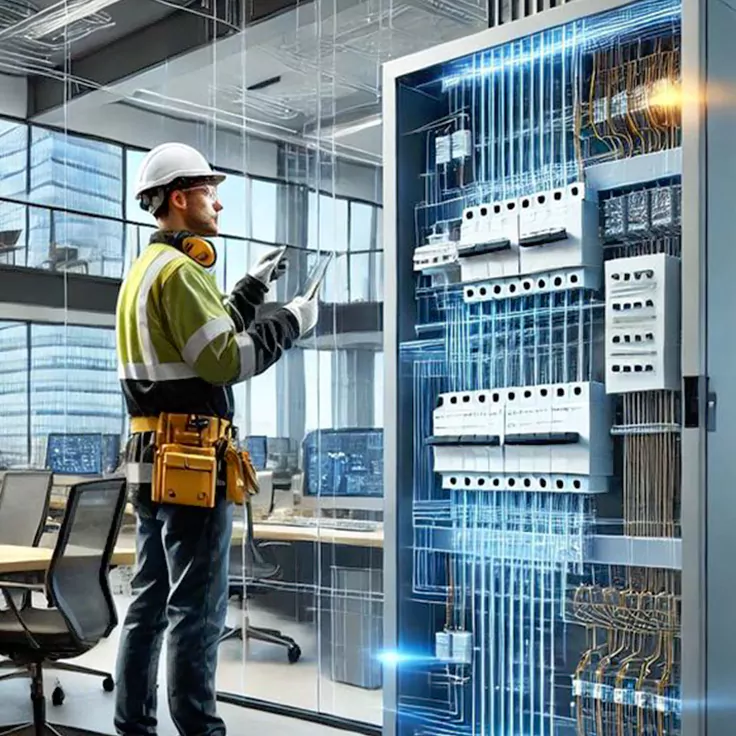
The Importance of Electrical Maintenance for Businesses
Electricity is the lifeline of every business. From workspace lighting to the performance of critical systems such as security equipment, data networks, HVAC units, and industrial machinery—everything relies on a stable and healthy electrical infrastructure. However, many businesses overlook the importance of regular electrical maintenance and only react when a serious failure occurs.
This reactive approach often leads to high repair costs, operational downtime, equipment damage, and even safety hazards.
In this article, we will take a professional look at why electrical maintenance is essential for businesses, what hidden costs arise from neglect, and how routine services can prevent major risks.
Why Electrical Maintenance Is Important for Businesses
Electrical maintenance is not just a technical task; it is a long-term investment that protects equipment, staff, and business capital. The key reasons regular electrical maintenance is crucial include:
- Enhancing safety for staff and customers
- Preventing fire hazards and dangerous incidents
- Ensuring stable performance of critical equipment
- Reducing downtime and operational interruptions
- Extending the lifespan of electrical systems
- Lowering costly repair expenses
In commercial and industrial settings that heavily rely on electrical equipment, even a few minutes of power failure or a faulty switchboard can cause significant financial losses.
The Hidden Costs of Electrical System Failures
Electrical breakdowns do not only involve repair expenses—many of the costs are hidden, and business owners usually don’t realize them until after the incident occurs.
The most common hidden costs include:
1. Operational Downtime
When a switchboard, network, or lighting system fails, the entire team may be forced to stop working.
Downtime can:
- Reduce sales
- Delay project timelines
- Lead to customer dissatisfaction
2. Damage to Electrical Equipment
Voltage fluctuations, loose connections, or overheating can directly affect sensitive systems such as:
- CCTV systems
- Servers and network switches
- Air-conditioning systems
- Industrial machinery
Repairing or replacing these units can be extremely costly.
3. Increased Energy Consumption
Worn-out or unmaintained systems usually consume more energy.
Studies show that proper maintenance can reduce electricity usage by 5% to 30%.
4. Legal Risks and Compliance Issues
In Victoria, failure to comply with electrical safety standards can lead to:
- Fines
- Project shutdowns
- Insurance complications during incidents
Benefits of Routine Electrical Maintenance
Routine electrical servicing plays a major role in preventing failures and reducing long-term costs.
The main benefits include:
1. Improved Safety
Regular inspections help detect issues such as:
- Loose connections
- Damaged or aging wiring
- Overloaded circuits
- Overheating components
2. Lower Repair Costs
Preventive maintenance = stopping major failures before they happen.
This approach can reduce repair costs by 20% to 50%.
3. Reduced Business Downtime
Most issues are detected and resolved before they escalate into emergencies.
4. Better Energy Efficiency
Stable electrical systems and proper calibration help reduce electricity consumption.
5. Longer Equipment Lifespan
Maintenance extends the operational life of:
- Switchboards
- Lighting systems
- Cabling
- Security equipment
Key Electrical Maintenance Services for Businesses
To establish a reliable maintenance program, businesses should regularly receive several essential services. Here are the most important ones:
1. Switchboard Servicing and Upgrades
The switchboard is the heart of the electrical system.
Key services include:
- Testing and tightening connections
- Inspecting protective devices (MCB, RCD)
- Measuring temperature and load
- Upgrading the switchboard for higher capacity
- Professional cleaning
Poor switchboard maintenance significantly increases fire risk.
2. Lighting System Maintenance
Proper lighting is essential for performance, safety, and energy efficiency.
Services include:
- Replacing outdated or inefficient lamps
- Inspecting lighting circuits
- Upgrading to LED systems
- Testing sensors and smart controllers
3. Wiring Inspection and Testing
Over time, wires and connections may:
- Overheat
- Break
- Become worn or brittle
Regular wiring inspections help prevent:
- Short circuits
- Electrical leakage
- Fire hazards
4. Electrical Network and Equipment Upgrades
As businesses grow, their electrical needs evolve. This often requires upgrades to:
- Switches
- Power outlets
- Cabling
- Surge protection systems
Conclusion: The Best Time to Begin an Electrical Maintenance Program
The best time to start a maintenance program is before a problem occurs.
If:
- Your switchboard has not been serviced in years
- New equipment has been installed
- Your power usage has increased
- Your business is expanding
- You experience recurring issues
Then today is the right time to begin a proper maintenance plan.
Regular electrical maintenance ensures safety, stability, and long-term cost savings while preventing unexpected downtime.
Frequently Asked Questions
1. How often should a business have its electrical system serviced?
At least once a year, and every six months for industrial or high-usage environments.
2. Can maintenance reduce energy costs?
Yes. A well-maintained electrical system can reduce energy consumption by 5–30%.
3. What is the most common cause of electrical failures?
Loose connections and aging wiring are the most frequent issues.
4. Should businesses use licensed electrical contractors?
Absolutely. In Victoria, only licensed REC contractors are legally authorised to perform electrical work.
5. What is the difference between preventive maintenance and emergency repairs?
Preventive maintenance stops issues before they occur.
Emergency repairs happen after a breakdown and are usually more expensive.